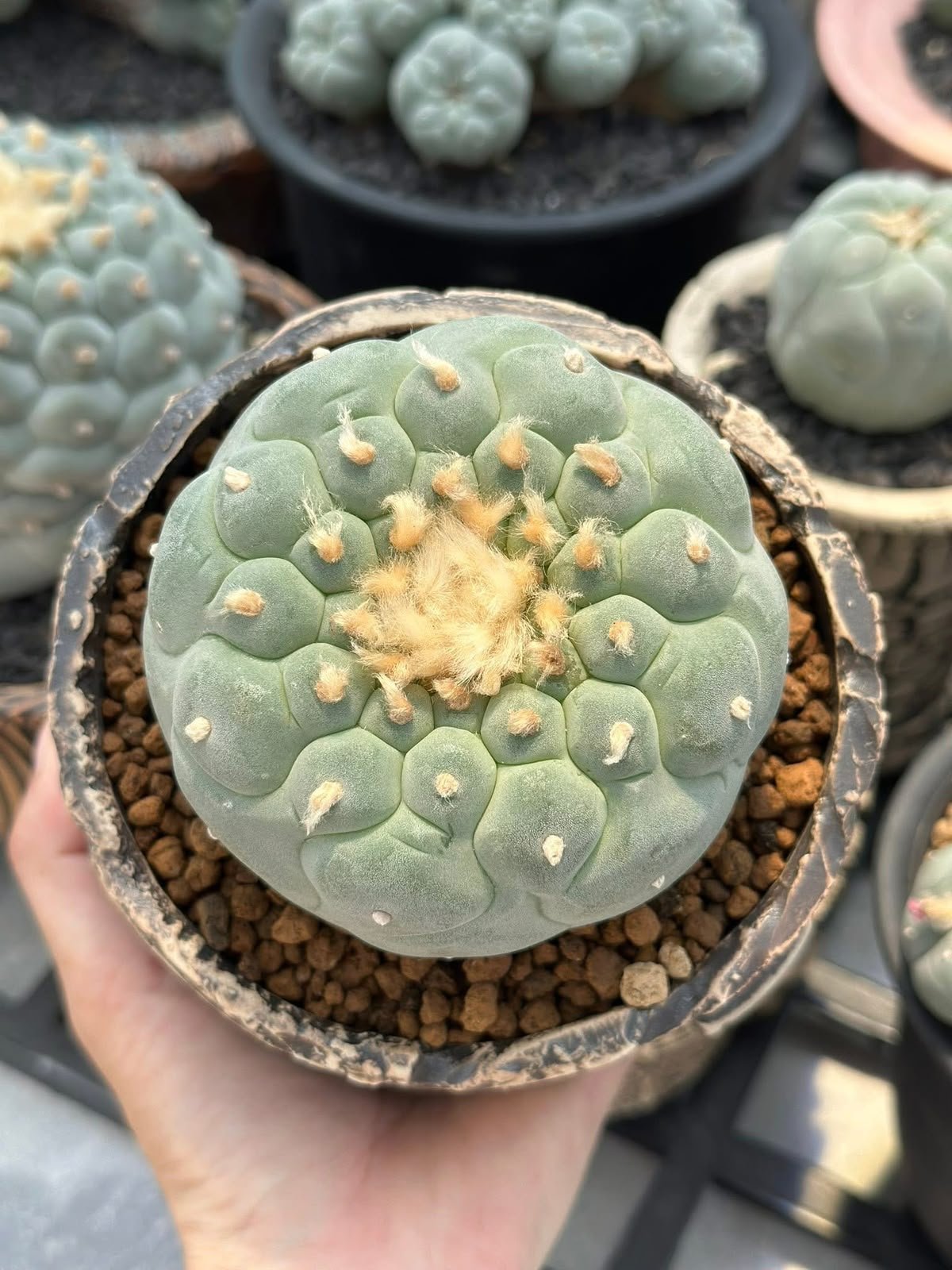
Buy Peyote Cactus
Original price was: $350.00.$280.00Current price is: $280.00.
Buy Peyote Cactus (Lophophora williamsii), its botanical characteristics, cultural significance, natural alkaloids, conservation, and legal status.
Buy Peyote Cactus – Comprehensive Overview
Buy Peyote Cactus (Lophophora williamsii) is a small, spineless cactus native to the deserts of northern Mexico and the southwestern United States. It has been recognized for centuries due to its unique chemical composition and its historical use in Indigenous spiritual and ceremonial practices. Peyote is particularly notable for containing naturally occurring alkaloids, the most well-known being mescaline.
Today, Peyote remains an important subject of ethnobotanical, botanical, and scientific research. Because of its cultural significance and legal restrictions in many countries, it is primarily discussed in educational, conservation, and academic contexts.
What is Peyote Cactus?
Peyote is a slow-growing cactus belonging to the Cactaceae family. Unlike many cactus species, it lacks visible spines and instead develops soft, rounded blue-green buttons that grow close to the ground. These buttons contain a variety of naturally occurring alkaloids, with mescaline being the primary psychoactive constituent.
The cactus thrives in limestone-rich desert soils and may require several years to reach maturity due to its exceptionally slow growth rate.
Botanical Characteristics
- Scientific Name: Lophophora williamsii
- Plant Family: Cactaceae
- Common Names: Peyote, Peyote Cactus, Mescal Button
- Native Habitat: Northern Mexico and southern Texas
- Growth Rate: Extremely slow
- Appearance: Small, spineless, blue-green cactus with rounded segmented crowns
- Flowers: Pink to white blossoms produced during the growing season
Naturally Occurring Compounds
Peyote contains more than 50 naturally occurring alkaloids, including:
- Mescaline
- Pellotine
- Anhalonidine
- Anhalamine
- Lophophorine
- Anhalonine
Researchers continue to investigate how these compounds interact within the plant and their potential biological properties.
Traditional and Cultural Importance
For thousands of years, Peyote has held profound cultural and spiritual significance among various Indigenous communities in North America. It has traditionally been used in religious ceremonies, healing rituals, and cultural practices where its use is governed by longstanding customs and beliefs.
Many Indigenous groups continue to regard Peyote as a sacred plant, and its ceremonial use is protected under specific legal frameworks in some jurisdictions.
Scientific Research
Modern research involving Peyote and its naturally occurring compounds focuses on areas such as:
- Ethnobotany
- Plant chemistry
- Alkaloid analysis
- Neuroscience
- Pharmacology
- Cultural anthropology
- Conservation biology
Researchers are working to better understand the plant’s chemical profile, ecological role, and historical significance. Studies involving mescaline are generally conducted under regulated research conditions due to legal controls in many countries.
Cultivation Information
Peyote requires specific environmental conditions for successful cultivation:
- Well-draining mineral-rich soil
- Warm temperatures
- Bright indirect sunlight
- Minimal watering
- Excellent airflow
- Low humidity
Because of its slow growth, mature specimens may take many years to develop naturally.
Conservation
Wild Peyote populations face increasing pressure from:
- Habitat destruction
- Climate change
- Illegal harvesting
- Overcollection
Conservation organizations encourage sustainable cultivation where legally permitted and emphasize protecting natural populations to preserve biodiversity and Indigenous cultural heritage.
Frequently Asked Questions
Is Peyote legal?
The legality of Peyote differs depending on the country and local regulations. Always consult the laws in your jurisdiction.
How long does Peyote take to grow?
Peyote is one of the slowest-growing cactus species and often requires 5–10 years or more to reach maturity under natural conditions.
Where does Peyote naturally grow?
It is native to the Chihuahuan Desert, primarily in northern Mexico and parts of southern Texas.
What compounds are found in Peyote?
Peyote contains numerous naturally occurring alkaloids, including mescaline, pellotine, anhalonidine, anhalamine, and several others.
Why is Peyote culturally important?
Peyote has been used for centuries in Indigenous religious and ceremonial traditions and remains a sacred plant for many Native communities.
Disclaimer
This content is provided for educational and informational purposes only. Peyote Cactus contains mescaline, a controlled substance in many jurisdictions. It is not intended to encourage or promote illegal cultivation, possession, or use. Always comply with applicable local laws and regulations.



Related products
Acai Berry Gelato Strain
Price range: $200.00 through $530.00
ALFAKHER CROWN BAR – 8000 PUFFS 10 PACK
Original price was: $300.00.$250.00Current price is: $250.00.
ALIBARBAR INGOT – 10 PACK- 9000 PUFFS
Original price was: $400.00.$300.00Current price is: $300.00.
Amnesia Haze Strain
Price range: $200.00 through $5,500.00
Biscotti Strain
Price range: $210.00 through $550.00